
Is a Light or a Dark Colour Better for Exterior Paint?
For durability a light colour is better: it reflects sunlight, the facade heats up less and fading is less noticeable. A dark colour looks more striking, but it heats up more, fades more visibly and can only be used to a limited extent on insulated facades.
Light and dark compared
- Heating: a dark surface gets noticeably hotter in the sun, and a hotter wall expands more.
- Fading: every colour fades, but in dark, vivid shades the difference shows sooner.
- Dirt: very light colours show rain streaks and dust; very dark ones show salt and lime marks.
- Cracks: a hairline crack is easier to see on a dark, glossy surface.
Dark colours on insulated facades
Insulation boards are sensitive to heat. System manufacturers therefore set a light-reflectance limit for the darkest shade that may be used; ask about this limit before choosing a dark colour.
The middle way: light ground, dark accents
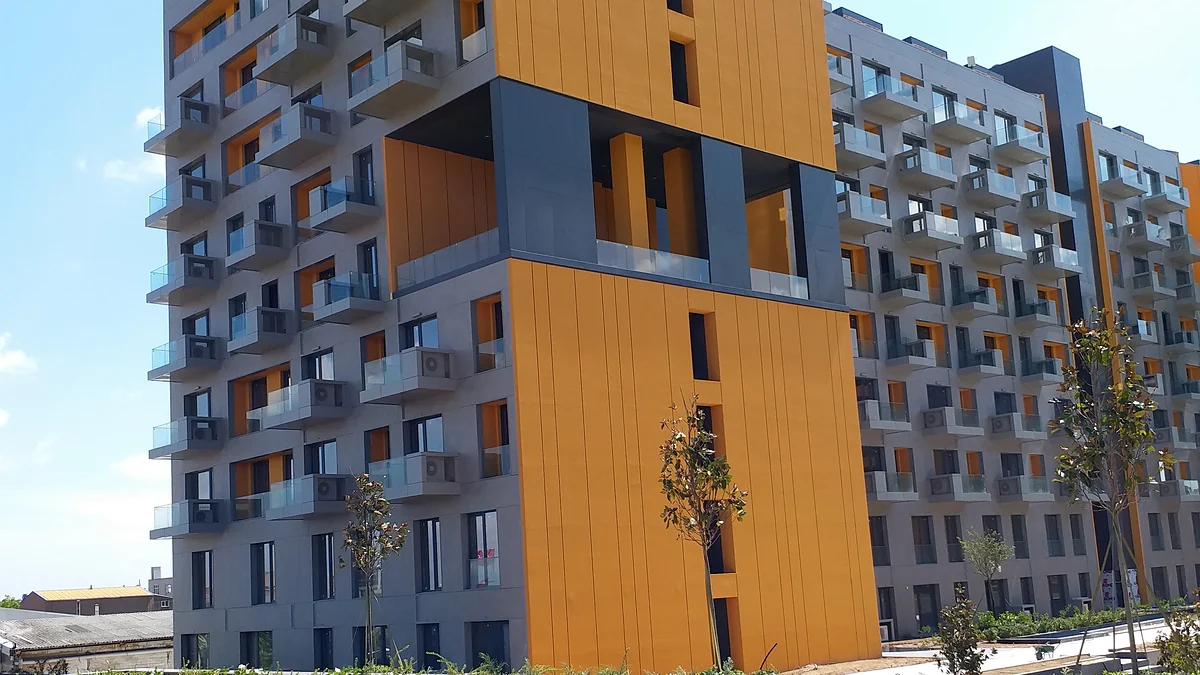
Light and mid tones on the main surfaces with dark tones on the ground floor, window surrounds and inside balconies give a result that is both durable and effective.
How is a colour tried out?
A colour card misleads because the area is small; the same colour looks lighter on a facade. The chosen shades should be applied to the facade as samples and looked at in sun and in shade.
Is white the most durable colour?
For fading, yes; for dirt, no. Off-white and light earth tones are balanced on both counts. For colour advice, request a survey from our exterior facade paint page.
Değerlendirmeler
Henüz değerlendirme yapılmamış. İlk siz değerlendirin!